What Is Solar Power Innovation (and How Does It Work)?
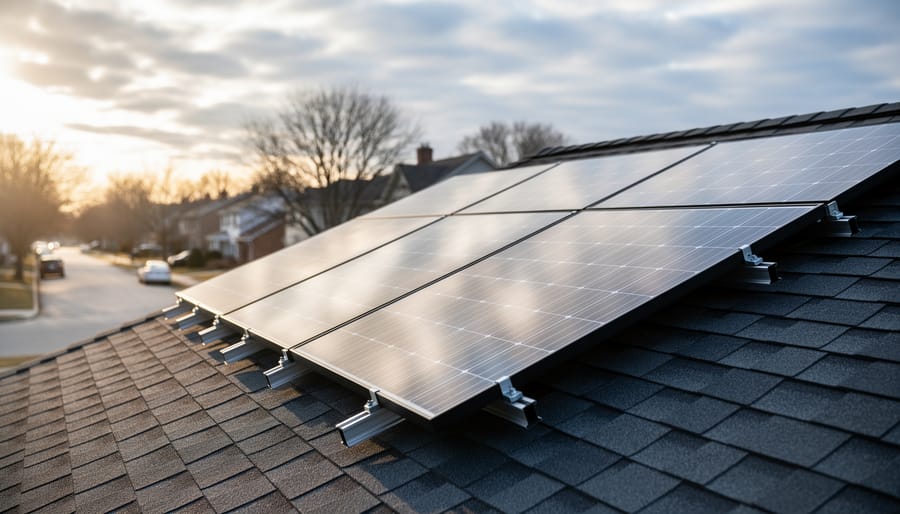
Solar power innovation refers to the latest breakthroughs in photovoltaic technology, energy storage systems, and solar infrastructure that push beyond traditional rooftop panels to make clean energy more efficient, affordable, and accessible. These advances are transforming how we capture and use sunlight, from flexible solar films that bend around curved surfaces to grid-scale battery systems that store energy for cloudy days.
Right here in Michigan, these innovations matter more than you might think. Our state sees about 180 sunny days per year, and new technologies are finally making solar viable even during our famously gray winters. Perovskite solar cells now capture more energy from diffuse light. Community solar farms let renters and apartment dwellers access clean power without installing anything on their own roofs. Bifacial panels collect sunlight from both sides, boosting output by up to 30 percent.
This article breaks down the most significant solar innovations reshaping energy in 2026, explains how emerging technologies actually work, and shows you which advances are already making a difference in Michigan communities. Whether you’re considering solar for your home or simply curious about where clean energy is headed, understanding these developments helps you see why solar has become one of the fastest-growing energy sources in the Great Lakes region.
What Solar Power Innovation Means Today
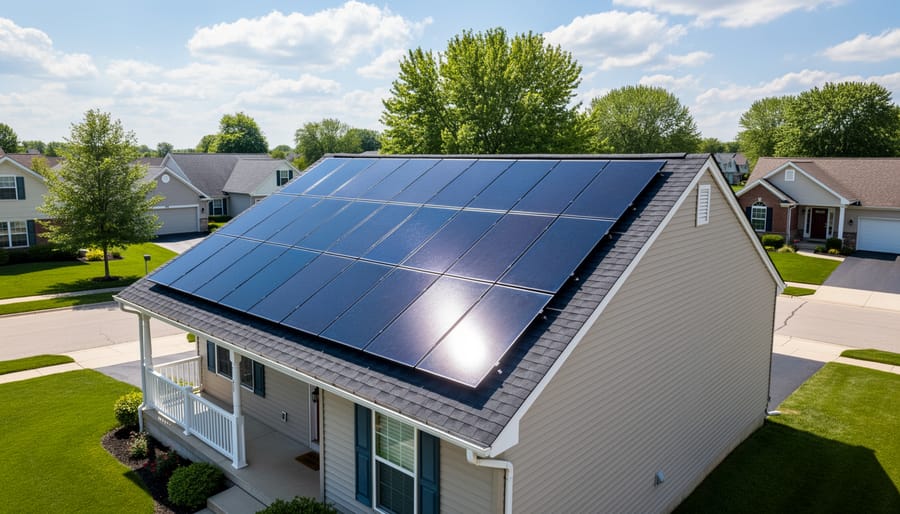
Solar power innovation refers to the ongoing advances that make solar energy systems more powerful, affordable, and versatile than the solar panels of even five years ago. It’s not a single breakthrough, it’s a continuous evolution touching every aspect of how we capture, store, and use energy from the sun.
Traditional solar technology gave us photovoltaic panels that convert sunlight into electricity at fixed efficiency rates, typically mounted on roofs or in large solar farms. Solar power innovation builds on that foundation but pushes far beyond it. We’re seeing solar cells that capture more of the light spectrum, materials that cost less to produce, batteries that store energy through the night, and software that predicts and manages energy flow in real time.
To understand solar innovation, it helps to know a few core concepts:
- Photovoltaic cells
- The semiconductor units within solar panels that convert light directly into electrical current through the photoelectric effect.
- Solar efficiency
- The percentage of sunlight hitting a solar panel that gets converted into usable electricity, modern innovations are pushing this from 15-20% toward 30% and beyond.
- Energy conversion
- The process of transforming solar radiation into electrical power that can run your home or feed into the grid.
- Grid integration
- How solar systems connect with and communicate to the broader electrical grid, allowing two-way energy flow and smart management.
- Distributed generation
- Producing electricity at or near where it will be used rather than at distant power plants, reducing transmission losses and increasing resilience.
The shift we’re witnessing moves solar from a supplemental energy source to a primary one capable of powering entire communities. Innovations in cell design squeeze more electricity from the same roof space. New materials drop manufacturing costs while improving durability. Smart systems ensure the energy you generate gets used when and where you need it most, even after sunset.
How Solar Innovation Actually Works
Material and Cell Advances
Traditional silicon panels still power most solar installations, but new materials are pushing efficiency far beyond what was possible a decade ago. Perovskite solar cells use a crystal structure that can be layered with silicon or used alone, achieving higher energy conversion rates while costing less to manufacture. These cells can be printed onto flexible surfaces, opening applications that rigid panels can’t serve.
Bifacial panels represent another leap forward. Unlike standard panels that only capture sunlight from the top, bifacial designs absorb light from both their front and rear surfaces. They harvest reflected light bouncing off roofs, ground cover, or snow, particularly valuable in Michigan winters when white landscapes reflect abundant light upward. When researchers combine these approaches, bifacial perovskite capture both sides of incoming light, dramatically increasing the energy yield from the same footprint.
These material innovations mean rooftop systems now generate more power in less space, making solar practical for homes that previously lacked sufficient roof area.
Energy Storage and Smart Systems
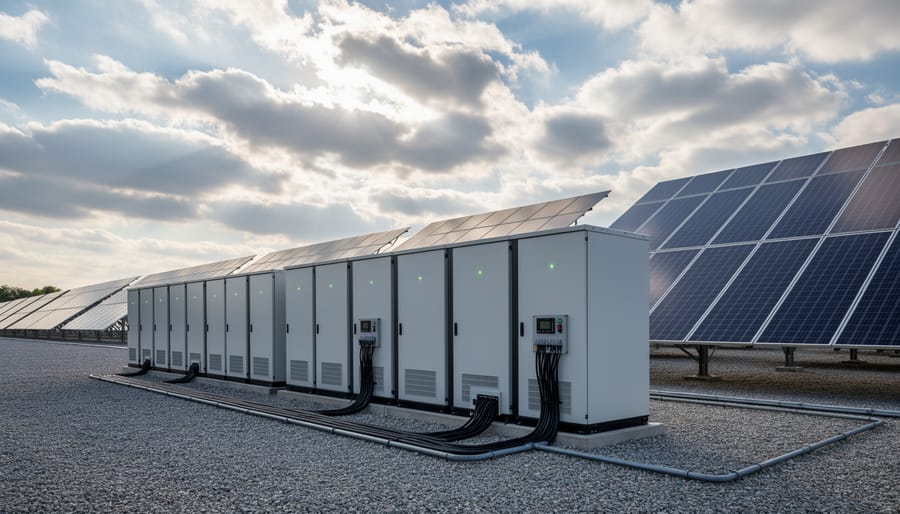
Battery integration has transformed solar from an intermittent power source into a reliable energy system. Modern lithium-ion and emerging solid-state batteries store excess electricity generated during peak sunlight hours, making it available when the sun isn’t shining, essentially giving your solar panels a memory. In Michigan’s variable climate, this means capturing July’s abundant sunshine for use during December’s shorter days.
Smart energy management systems take this further by learning your usage patterns and weather forecasts. These AI-powered controllers decide when to store energy, when to use it, and when to draw from or feed back to the grid. Think of it as having a tireless energy accountant constantly optimizing your power budget. The system might charge your battery on a sunny afternoon, power your home through the evening, and even sell excess electricity back to the utility during high-demand periods.
This intelligent coordination maximizes your solar investment’s value while reducing strain on the electrical grid. For Michigan homeowners, it means greater energy independence and lower bills year-round.
Categories of Solar Innovation
Efficiency and Performance Innovations
Traditional solar panels convert only about 15 to 20 percent of sunlight into electricity, but new designs are pushing those numbers significantly higher. Tandem solar cells stack multiple light-absorbing layers to capture different wavelengths of the sun’s spectrum, with lab prototypes now exceeding 30 percent efficiency. Perovskite-silicon tandems show particular promise, combining cost-effective manufacturing with superior performance in both direct and diffuse light conditions.
Beyond cell chemistry, tracking systems that follow the sun’s path across the sky boost energy harvest by 25 to 35 percent compared to fixed panels. Single-axis trackers rotate east to west throughout the day, maximizing exposure during peak hours. Bifacial panels, which collect light from both front and back surfaces, pair especially well with tracking mounts or reflective ground cover to squeeze more power from the same footprint.
Michigan’s variable cloud cover actually benefits from these efficiency gains. While solar-cell efficiency measures conversion rates under ideal lab conditions, improved performance translates directly to better real-world output on overcast days when every percentage point matters for system economics.
Application and Integration Innovations
Solar technology is moving beyond rooftop panels into innovative applications that integrate seamlessly into everyday structures and systems. Solar roofing tiles, like those from Tesla and CertainTeed, replace traditional shingles entirely, generating electricity while protecting your home. These systems blend aesthetically with neighborhood architecture, making solar adoption more appealing in communities with strict design guidelines.
Transparent solar windows represent another breakthrough, using coatings that capture invisible ultraviolet and infrared light while letting visible light through. Buildings can become power generators without sacrificing natural lighting or views, transforming office towers and homes into energy producers.
Vehicle-integrated solar panels are appearing on electric cars, RVs, and delivery trucks, extending driving range and reducing charging frequency. While not yet powering entire vehicles, these systems run climate control and auxiliary features, improving efficiency.
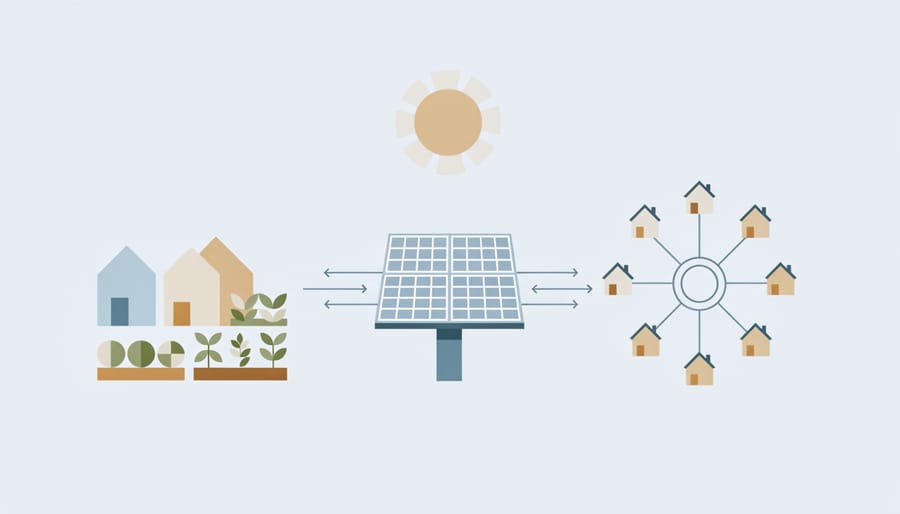
Community solar projects allow multiple households to share a single solar array, perfect for renters, condo owners, or properties with shaded roofs. Subscribers receive credits on their utility bills proportional to their share, democratizing access to solar savings without individual installations.
Cost and Accessibility Innovations
Manufacturing breakthroughs have dramatically reduced solar panel production costs over the past decade. Automated fabrication techniques and economies of scale brought prices down by over 80% since 2010, making solar competitive with fossil fuels in many markets. Thin-film manufacturing and modular designs cut material waste while speeding installation times.
New financing models remove the upfront cost barrier that once kept solar out of reach for most homeowners. Solar leases and power purchase agreements let families go solar with zero down payment, paying only for the electricity generated. Community solar programs allow renters and those with unsuitable roofs to buy shares in larger arrays, democratizing access beyond property owners.
Policy innovations like net metering, tax credits, and streamlined permitting processes further lower barriers. Michigan’s recent expansion of community solar eligibility and simplified interconnection standards means more residents can participate without navigating complex bureaucracy. These combined advances are transforming solar from a luxury investment into an accessible option for diverse income levels and housing situations.
Where Solar Innovation Is Being Applied
Michigan Solar Innovation Projects
Michigan is home to several pioneering solar projects that demonstrate how innovation translates into community impact. The University of Michigan’s Solar Car Team has pushed photovoltaic efficiency boundaries for decades, with research findings now influencing commercial solar panel design. Their work on lightweight, high-efficiency cells has informed products reaching residential markets.
In Detroit, the Soulardarity project installed solar streetlights in underserved neighborhoods, combining renewable energy with community safety improvements. This grassroots initiative proved that solar innovation could address multiple community needs simultaneously while reducing municipal energy costs.
Grand Rapids’ Brewery Vivant became one of Michigan’s first LEED-certified breweries by integrating solar panels with energy-efficient brewing systems, cutting their energy consumption by 42 percent. Their success inspired other local food producers to explore similar combinations of solar and efficiency upgrades.
The Great Lakes Renewable Energy Association coordinates community solar gardens across the state, allowing residents without suitable roofs to invest in shared solar arrays. These projects use advanced monitoring systems that let participants track their energy production in real time through smartphone apps.
Michigan State University’s bioeconomy research includes agrivoltaics trials, growing crops beneath elevated solar panels, showing that innovation can serve agriculture and energy production together on the same land.
What Solar Innovation Means for Your Community
Solar innovation isn’t just about technology for technology’s sake, it affects real people in measurable ways. For Michigan residents, these advances mean tangible benefits that extend beyond environmental wins.
Lower energy bills top the list. As solar efficiency improves and costs drop, homeowners who install modern systems often see their electricity bills cut by 50-70%. That’s real money staying in your pocket every month, year after year. Community solar programs make these savings accessible even if you rent or have a shaded roof, letting you subscribe to a local solar farm and receive credits on your utility bill.
Grid resilience matters more during Michigan’s severe weather events. When paired with battery storage, solar systems keep essential appliances running during power outages, which have become more frequent. Neighborhoods with distributed solar reduce strain on aging grid infrastructure, meaning fewer brownouts during summer heat waves or winter freezes.
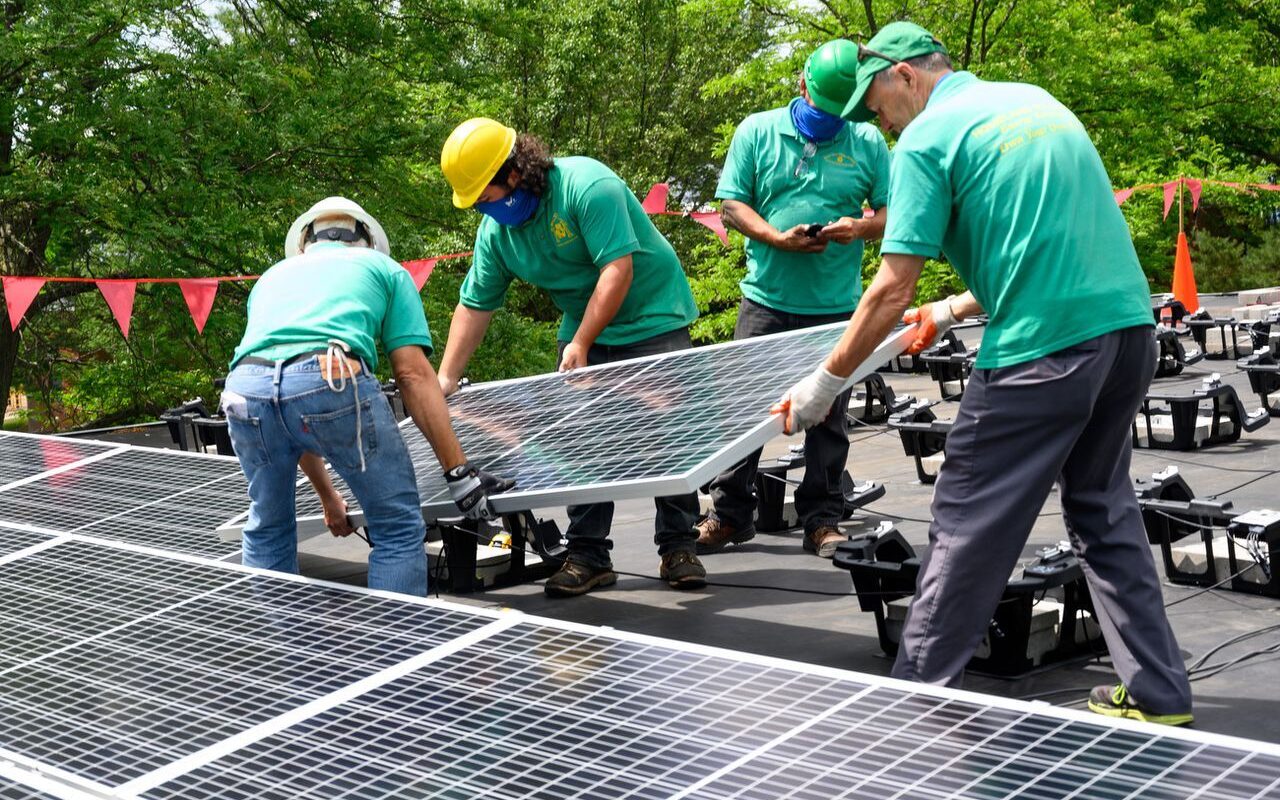
The job impact is substantial. Michigan’s solar industry already employs over 6,000 workers, from installers and electricians to engineers and project managers. Each megawatt of solar capacity installed creates local jobs that can’t be outsourced. Many community colleges now offer solar technician certification programs, opening career paths for young people.
Supporting solar innovation locally is straightforward. Ask your utility about community solar options. Request quotes from local solar installers to understand costs and incentives. Attend city council meetings when renewable energy ordinances are discussed. Push your employer to explore commercial solar for workplace buildings. Vote for local officials who prioritize clean energy investment.
These innovations work best when communities embrace them collectively, creating momentum that benefits everyone through cleaner air, stable energy prices, and economic opportunity.
Common Questions About Solar Innovation
Does solar innovation work in Michigan winters?
Yes. Modern solar panels actually perform better in cold temperatures, and recent innovations like bifacial panels capture reflected light from snow. While shorter days reduce total output, new battery storage systems ensure you have power when you need it most.
How much do new solar technologies cost compared to standard panels?
Prices vary widely. Some innovations like perovskite cells are still in development, while others like bifacial panels cost only 10-15% more than standard systems but deliver significantly higher output. Many Michigan utilities now offer incentives that offset the premium for advanced solar technology.
Are these innovations proven or still experimental?
Most innovations you’ll encounter for residential use are proven technologies with established track records. Bifacial panels, integrated storage systems, and smart inverters have been deployed commercially for years. Cutting-edge developments like transparent solar windows are typically in pilot phases before wider release.
How do I know which innovations matter for my situation?
Start with your goals. If you want maximum power from limited roof space, high-efficiency panels matter most. For energy independence, prioritize battery integration. A qualified local installer can assess your property, energy usage, and budget to recommend innovations that deliver real value rather than unnecessary upgrades.
The timeline for solar installation has also improved dramatically. What once took months now happens in weeks for most residential projects, thanks to streamlined permitting processes and prefabricated mounting systems. Maintenance requirements have decreased as well, modern panels are more durable and self-cleaning coatings reduce dirt buildup that used to require regular attention.
One concern many Michigan residents share is whether solar makes sense given our variable weather. The reality is that innovations in panel efficiency and energy storage have made solar viable even in climates with significant cloud cover and seasonal variation. Germany, which receives less annual sunlight than Michigan, leads the world in solar adoption precisely because technology has advanced beyond the need for constant sunshine.
Solar power innovation isn’t just changing how we generate electricity, it’s redefining what’s possible for clean energy in our homes, businesses, and communities. From perovskite cells that capture more sunlight to smart systems that optimize every watt, these advances are making solar more efficient and affordable than ever before. What once seemed like a futuristic dream is now within reach for Michigan families and neighborhoods.
Michigan stands at a crossroads where abundant innovation meets genuine opportunity. Our state’s universities are pioneering breakthroughs in solar materials, our manufacturers are retooling for clean energy production, and our communities are proving that northern climates can absolutely thrive with solar power. The innovations we’ve explored aren’t distant possibilities, they’re happening right now, creating jobs and cutting carbon emissions across the Great Lakes region.
You don’t need to wait for the perfect technology or the ideal conditions. Today’s solar innovations work in Michigan’s real climate, and they’re getting better every year. Whether you’re considering panels for your home, advocating for community solar in your township, or simply staying informed about renewable energy, you’re part of this transformation. Explore what solar can do for you. Ask questions. Connect with local installers and community groups. Michigan’s clean energy future is being built one rooftop, one innovation, and one decision at a time.