Green Energy Projects in India: How Solar Programs Work, Who Can Join, and Where to Get Help
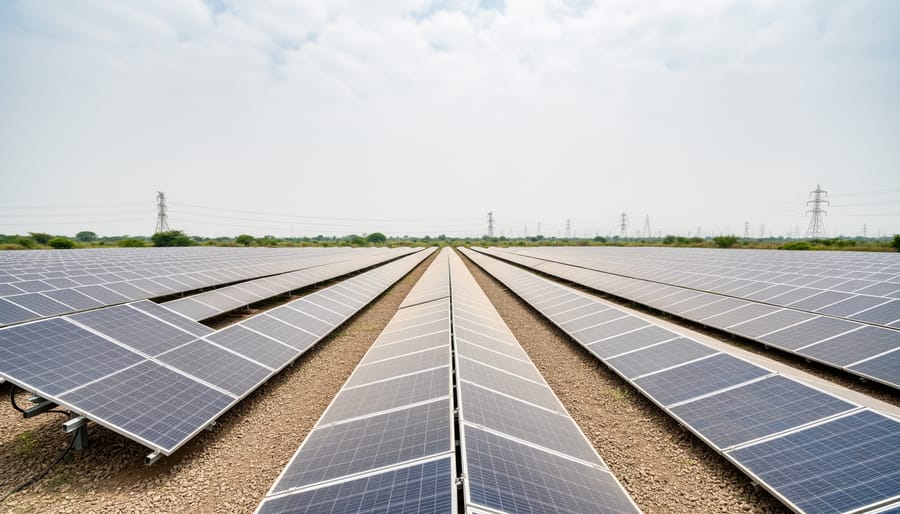
Green energy projects in India are large-scale and local efforts to generate clean power, with solar leading the way. They range from utility-scale solar farms to rooftop systems on homes, schools, and public buildings, and they’re backed by a national goal of reaching 500 GW of renewable energy capacity by 2030.
That goal is less distant than it sounds. India’s solar capacity grew from 13,114 MW in 2017 to 57,705 MW in 2022, more than quadrupling in five years. The Solar Energy Corporation of India (SECI) keeps the pipeline moving, from a request for selection covering 1 GW of new solar projects to bids for 12.25 MW of rooftop installations across the country.
If you’re in Michigan, you might wonder why India’s progress matters to you. Clean energy is a shared project, and watching how another large, fast-growing economy scales solar offers ideas worth borrowing, from financing models to community rooftop programs. Michigan’s own communities are building their solar stories, and the lessons travel both ways.
This guide explains what these projects are, who can take part, what rights and obligations come with participating, and where to find official help. Policies change, so we point you to authoritative sources rather than guessing at current details.
What India’s Green Energy Projects Are and Where Solar Innovation Fits In
From 13,114 MW to 57,705 MW: A Quick Look at the Growth
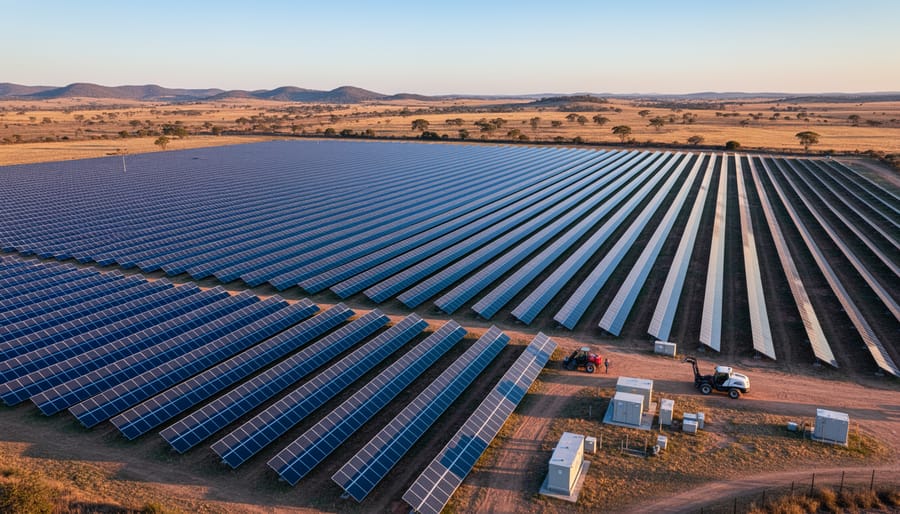
India’s solar story is one of the more striking turnarounds in clean energy. In 2017, the country’s solar capacity stood at 13,114 MW. By 2022, it had climbed to 57,705 MW. That’s more than four times the capacity in five years, and the solar capacity rise in India shows what happens when policy, financing, and ambition line up behind a single goal.
Behind those numbers sits steady solar power innovation from new project models to broader rooftop participation. The government has backed that momentum with increased financing, state-level initiatives, and tax benefits, all aimed at making it easier to build.
That 500 GW target is the bigger story. It frames every tender, rooftop program, and incentive as a step toward a much larger destination. For anyone curious about clean energy, here’s a useful reminder: big goals become real through many practical projects, one bid and one installation at a time.
Recent Solar Project Launches and Key Details at a Glance
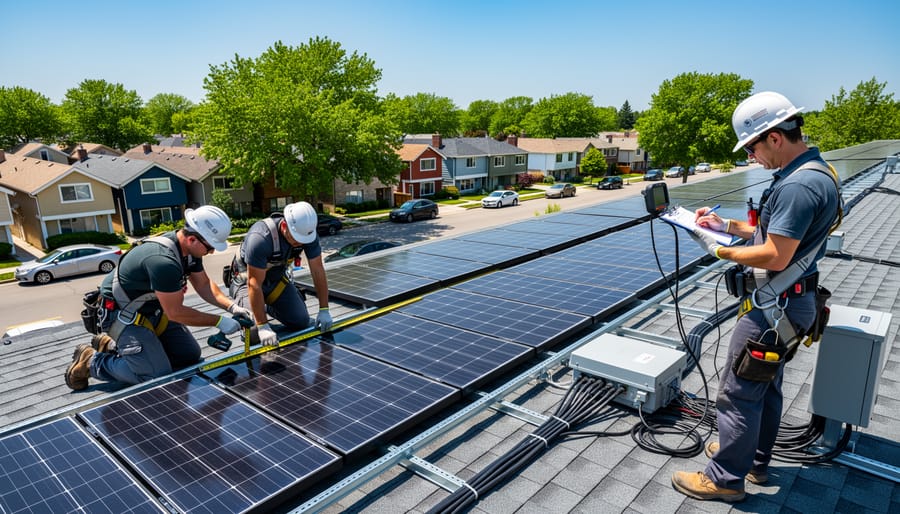
Two recent launches from the Solar Energy Corporation of India (SECI) show how these programs are rolling out right now. One is a large selection round for new solar capacity. The other is a smaller bid call focused on rooftops. Here’s how they compare.
| Program/Item | Scale | What It Covers | Verified Detail |
|---|---|---|---|
| Request for selection (RfS) | 1 GW | New solar projects built within India | Launched by SECI |
| Rooftop solar bid invitation | 12.25 MW | Rooftop solar projects across India | Bid submission deadline of July 10, 2026 |
| National renewables goal | 500 GW | Total renewable energy capacity | Target year is 2030 |
The first item is the SECI selection for 1 GW of new solar projects. The key phrase is “built within India,” which signals a focus on domestic project development rather than imported capacity. The second is a call for rooftop projects, with the 12.25 MW bid deadline July 10, 2026 marking the last date for submissions.
Notice the difference in scale. One gigawatt is roughly eighty times larger than 12.25 megawatts, yet both matter. Large selection rounds add utility-scale power, while rooftop bids spread solar across buildings and neighborhoods. If you’ve watched Michigan communities weigh shared solar against rooftop panels, you’ll recognize that same balance.
A quick word of caution: bid deadlines are time-bound. A date that is open today can close tomorrow, and details can change as processes move forward. If you want to know whether either program is still accepting bids, or what happened next, check directly with SECI or the official tender documents. This article doesn’t cover locations, pricing, or awardees, because those details weren’t verified, and it’s better to point you to the source than to guess.
Who Can Take Part: Eligibility Requirements for Solar Projects and Incentives
India’s solar programs welcome a wider range of participants than most people expect. The exact rules depend on the program, but the typical categories look like this:
- Developers and companies that bid on utility-scale tenders, such as SECI’s request for selection for 1 GW of new solar projects built within India.
- Rooftop solar developers and installers who respond to bids like SECI’s invitation for 12.25 MW of rooftop solar across the country.
- Property owners who host rooftop systems on homes or buildings.
- Businesses and institutions, such as factories, schools, and offices, with roof or land space suited to solar.
- Anyone who may benefit from state-level initiatives, financing support, and tax benefits tied to solar adoption.
Think of these as broad groups rather than a checklist. Whether a particular company, building owner, or organization actually qualifies is decided by the program itself, and every tender document spells out its own criteria. That’s why reading the official paperwork matters more than relying on a general summary like this one.
When you open a tender or scheme document, check a few things before anything else: who is allowed to apply, what the submission deadline is (the 12.25 MW rooftop bids, for example, closed on July 10, 2026), what the document says about project location and size, and which incentives are tied to the program. Policies and incentives change over time, so confirm the current details directly with official sources rather than assuming earlier terms still hold.
If you’re a Michigan reader, this will sound familiar. Shared solar and rooftop programs here also come with their own eligibility rules, and the best first step is always the same: find the official program details, read them closely, and ask questions early.
Rights and Obligations: What Participants Can Expect and Are Expected to Do
Taking part in an Indian solar program is a bit like joining any well-run community energy effort. You get real benefits, and you agree to carry real responsibilities. The details vary by program, but the pattern holds across most of them.
On the benefit side, participants can generally expect access to the incentives the government has introduced, including increased financing, state-level initiatives, and tax benefits. Competitive bidding, like the tender processes SECI runs, also gives qualified developers a clear and open path to win projects. Everyone bids under the same published rules, which helps level the field.
In return, participants are typically expected to meet the requirements laid out in each tender. That usually means submitting a complete bid by the stated deadline, as with the July 10, 2026 deadline for the 12.25 MW rooftop solar bids. It also means sticking to project timelines and following program rules once a project is selected. Think of these as the “give” that balances the “get.”
Why does all this matter? Clear rules are what turn an announcement into actual clean power. When everyone understands what they can count on and what they owe, projects move from paper to panels more smoothly. The exact terms live in the official documents, so treat those as your source of truth rather than any summary, including this one.
How Solar Bids and Programs Typically Move Forward
Every solar tender or rooftop program follows a similar path, even when the details differ. It starts with an announcement. An agency like the Solar Energy Corporation of India (SECI) publishes a notice describing how much capacity it wants built and what bidders must provide. Think of it as a public invitation with the rules written out.
Next comes bid submission. Interested companies prepare their proposals and send them in before a stated deadline. SECI’s invitation for 12.25 MW of rooftop solar projects across India is a good example, with its last date for bids set at July 10, 2026. After that date, no new bids come in, and the process shifts from outreach to review.
The evaluation stage comes after the deadline. Officials check whether each bidder meets the stated requirements and compare the proposals against the criteria in the tender document. The specific criteria and timing vary by tender, so the document itself is the place to confirm them.
Then comes selection. Winning bidders are chosen and move on to the build-out phase, where panels are installed, systems are connected, and clean power starts flowing. This is the step where an announcement becomes something you can actually see on a rooftop or in a field. If you’re curious about the technology behind that final stage, a good starting point is learning how solar works.
One practical tip: bids close on fixed dates, so always check a tender’s current status with the official source before assuming it’s still open.
What Michigan Can Learn: Local Solar Initiatives and Community Success Stories
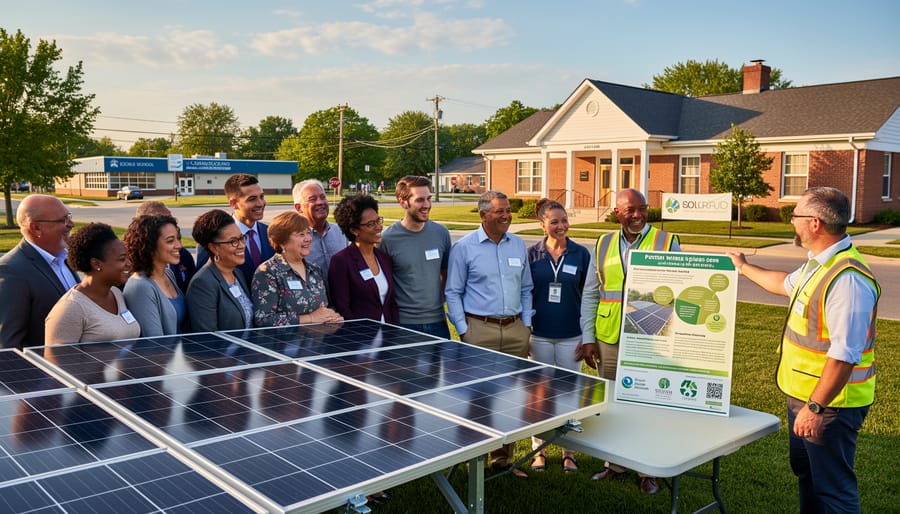
India’s solar push may look enormous next to a Michigan rooftop, but the ideas underneath it travel well. When a country grows solar capacity from 13,114 MW in 2017 to 57,705 MW in 2022, it isn’t only building panels. It’s building habits: bundling projects together, expanding rooftops, and getting more people involved.
Take bundled procurement. When SECI invites bids for a large block of projects at once, buyers can compare options in one transparent process. Michigan neighbors already use a similar spirit in group purchasing programs and community or shared solar, where people who can’t install panels at home still share in clean power.
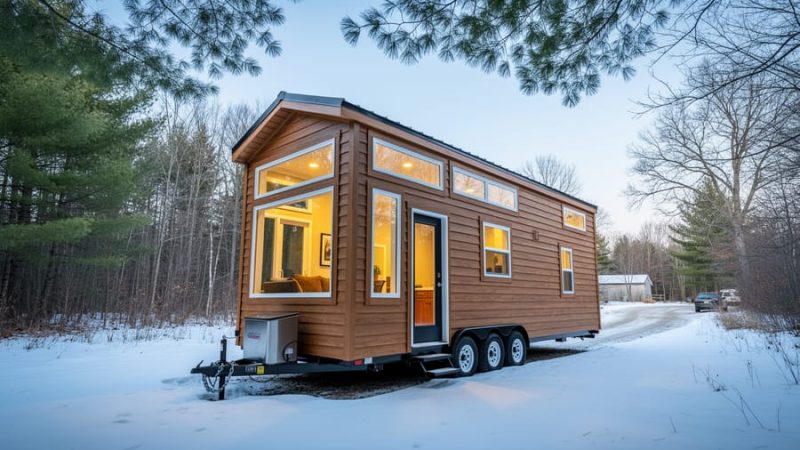
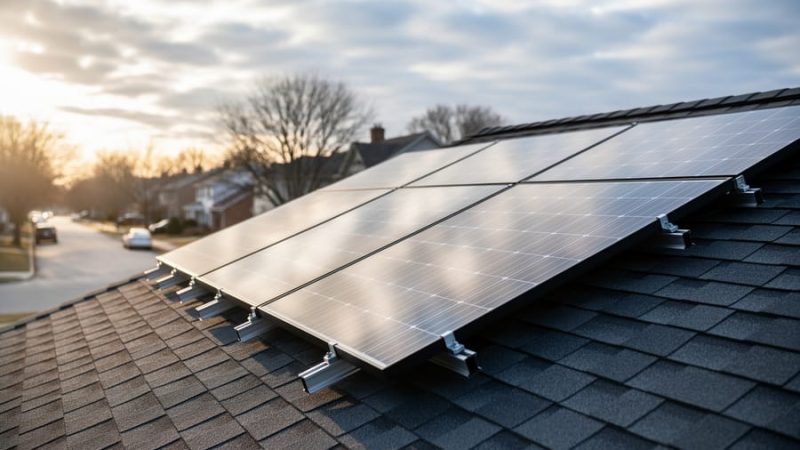
Rooftop expansion is another idea worth borrowing. India’s 12.25 MW rooftop bid shows how many small installations can add up to something meaningful. Here at home, that might mean a garage roof, a church, a school, or a small building. Even compact spaces can work, and if you’re curious, our look at tiny home solar options shows how little space a solar setup can need.
The biggest lesson might be participation. Big targets like 500 GW by 2030 only work when many people pitch in, and the same is true locally.
Your next step could be simple:
– Ask your utility what solar or shared solar programs it offers.
– Look for a local sustainability group or community energy meeting near you.
– Talk with neighbors about pooling questions and quotes before you buy.
Small, connected steps are how big clean energy goals start feeling real.
Where to Get Help and Official Information
Solar news moves quickly, and a bid that was open last month may be closed today. That’s why the best habit you can build is going straight to the source. Knowing which type of office handles which question saves a lot of time and guesswork.
Here are the kinds of official resources worth bookmarking:
- SECI tender notices, which carry the full details on programs like the 1 GW solar selection and the 12.25 MW rooftop solar bids.
- India’s national renewable energy agencies, for the big-picture targets, policy direction, and incentive programs.
- State-level renewable energy agencies, where state initiatives and tax benefits are typically explained.
- Your local utility, for Michigan readers asking about connecting solar to the grid.
- Community solar organizations, for neighbors exploring shared projects together.
- Michigan’s state energy offices, for questions about local programs and incentives.
A good rule of thumb is to read the original tender or program document rather than a summary of it. Deadlines, eligibility rules, and terms live there, and they can change. Policies in particular evolve, so treat any article, including this one, as a starting point and confirm current details with the agency running the program.
If you’re in Michigan and feel inspired, a friendly call to your utility or a visit to a local solar meetup is a great first step. Plenty of people have started their solar journey exactly that way.
Common Questions About India’s Solar Projects
Curious about the bigger picture behind India’s solar push? Here are some of the questions readers ask most often, answered with the facts we’ve covered.
Why is India investing so heavily in solar?
India is working toward 500 GW of renewable energy capacity by 2030, and solar is the centerpiece of that plan. Growth has already been steady, with solar capacity rising from 13,114 MW in 2017 to 57,705 MW in 2022, helped by increased financing, state initiatives, and tax benefits.
How do solar tenders work?
An agency such as the Solar Energy Corporation of India announces a project, developers submit bids by a set deadline, and the bids are evaluated before a selection is made. The tender document spells out the exact rules, so it’s the best place to check the details.
What does 500 GW by 2030 actually mean?
It’s the amount of renewable energy generating capacity India aims to have in place by 2030. Think of it as a national goal that solar, along with other clean sources, will help reach, rather than a single project.
How can I check whether a bid or scheme is still open?
Bid windows are time-bound. For example, the deadline for SECI’s 12.25 MW rooftop solar bids was July 10, 2026. Always confirm current status directly with SECI or the relevant agency, since deadlines and policies can change.
If you’re a Michigan reader, the takeaway is encouraging: big goals start with clear programs and community participation. Check with your local utility or state energy office to see which solar options are open to you today.
India’s solar story is a reminder of what steady, well-planned effort can do. Capacity climbed from 13,114 MW in 2017 to 57,705 MW in 2022, and the country is now aiming for 500 GW of renewable energy by 2030. New project models, from large tenders to rooftop programs, are showing how green innovation turns big goals into real clean power.
For those of us in Michigan, the takeaway is hopeful. Community-minded solar thrives when people stay curious, ask good questions, and lean on trustworthy information. Details like open bids and current policies change, so always confirm them with official sources before making plans.
Then pick one small next step. Explore a local solar program, chat with your utility about options, or join a neighborhood sustainability group. Pair that energy with everyday habits, like learning how to reduce plastic contamination and your home becomes part of the same bright, cleaner future.