Turn Your Trash Into Treasure: DIY Recycling Projects That Actually Work
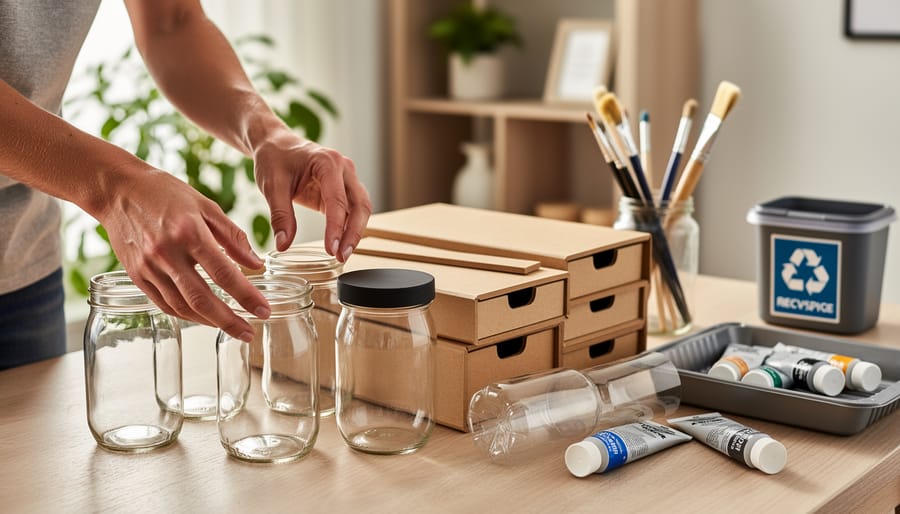
Transform empty glass jars into stylish storage containers by removing labels with warm soapy water, adding chalkboard paint to the lids for labeling, and using them to organize pantry staples, craft supplies, or bathroom essentials. This simple project takes about 30 minutes and costs virtually nothing.
Every year, Michigan residents send millions of pounds of recyclable materials to landfills when those same items could become functional, beautiful objects for your home. The real challenge isn’t finding things to recycle. It’s knowing how to turn them into something you’ll actually use.
Right now, your recycling bin likely holds the raw materials for weekend projects that can save money and reduce waste. Cardboard boxes become drawer organizers. Plastic bottles transform into self-watering planters. Fabric scraps turn into reusable produce bags. These aren’t complicated crafts requiring specialized tools or artistic talent. They’re practical solutions anyone can complete with basic supplies.
The environmental impact adds up quickly. A single reused item means one less product manufactured, packaged, and shipped. When Grand Rapids resident Sarah Martinez started making planters from tin cans in 2025, she eliminated her need to buy new pots entirely. Her backyard garden now features 40 upcycled containers, each one keeping metal out of the waste stream.
Michigan’s growing maker community has proven these projects work in real homes, not just Pinterest boards. From Detroit to Traverse City, people are discovering that recycling doesn’t end at the curb. The materials are already in your hands. You just need a plan to put them to work.
Why DIY Recycling Matters More Than Ever in 2026
Michigan generates over 18 million tons of solid waste annually, and despite statewide recycling programs, roughly 70% still ends up in landfills. Across the country, Americans produce 292 million tons of trash each year, with only about a third being recycled or composted. These numbers matter because landfills aren’t just unsightly, they’re ticking environmental clocks. They leak methane, a greenhouse gas 28 times more potent than carbon dioxide, and contaminate groundwater for decades.
Traditional recycling helps, but it has limits. Contaminated materials get rejected. Glass often can’t be processed profitably. Plastics degrade with each cycle. When you take on DIY recycling projects, you bypass these industrial bottlenecks entirely. You’re not waiting for municipal programs to catch up or hoping your carefully sorted plastics actually get reprocessed. You’re directly intervening in the waste stream, pulling materials out before they ever reach a landfill.
The environmental math is compelling. Research confirms that lifetime extension improves environmental performance more effectively than manufacturing new items from recycled feedstock. When you transform a glass jar into storage or old jeans into insulation, you eliminate the energy costs of collection, sorting, transport, and industrial reprocessing. You keep embodied energy, the resources already invested in making that material, working longer.
Your individual efforts ripple outward too. Each project you complete reduces demand for new products, cutting resource extraction and manufacturing emissions. When neighbors see your pallet furniture or tire planters, they reconsider their own discards. The EPA data shows that recycling reduces landfill waste and associated pollution, but DIY upcycling takes that reduction further by adding creativity and functionality that standard recycling can’t match.
Michigan’s 2026 sustainability goals require participation at every level. Your DIY projects aren’t just craft activities, they’re measurable contributions to waste reduction targets that protect the Great Lakes ecosystem and preserve landfill capacity for genuinely non-recyclable materials.

Getting Started: Essential Skills and Tools for Recycling Projects
The most important skill for successful DIY recycling isn’t carpentry or sewing, it’s learning to see trash differently. Before you can transform a glass jar into a kitchen organizer or a pallet into patio furniture, you need to develop what experienced upcyclers call “possibility vision.” When you pick up an empty pasta sauce jar, can you envision it holding homemade granola or organizing workshop screws? When neighbors set a wooden chair with a broken leg on the curb, do you see firewood or the raw material for a garden trellis? This mental shift takes practice, but it’s the foundation that makes every project easier.
Start by keeping a small collection of common recyclables for a week, glass jars, cardboard boxes, plastic containers, fabric scraps. Handle them. Turn them over. Ask yourself what each item does well structurally. Glass jars seal and stack. Cardboard bends and absorbs moisture. Plastic bottles hold their shape and resist water. Understanding these inherent properties helps you match materials to projects naturally, which is central to upcycling basics.
Your tool requirements depend on your chosen projects, but most recycling DIYers need just five essentials: a sharp utility knife for cutting cardboard and plastic, needle-nose pliers for removing staples and manipulating wire, a cordless drill for making holes and driving screws, sandpaper in various grits for smoothing rough edges, and a hot glue gun for quick assembly. These tools cost under $100 total if you’re starting from scratch and will carry you through 90% of beginner and intermediate projects.
Safety matters more when working with reclaimed materials than virgin supplies. Glass jars can harbor invisible cracks that shatter during cutting. Old wood may contain embedded nails or chemical treatments. Sharp metal edges hide under peeling paint. Always wear safety glasses when cutting or drilling, use gloves when handling materials with unknown histories, and work in ventilated spaces when sanding or painting recycled items. Following basic DIY safety tips prevents the injuries that derail promising projects and dampen enthusiasm.
Clean everything thoroughly before you begin. Dish soap and hot water remove food residue and surface grime, while a vinegar solution tackles stubborn odors and sticky labels.
Beginner-Friendly Projects: Start Small, Think Big
Glass Jar Organizers and Storage Solutions
Glass jars accumulate quickly in any household, pasta sauce containers, pickle jars, jam vessels, and they’re perfect for organizing without spending a dime. Start by removing labels with hot soapy water or a paste of baking soda and oil. Mason jars and uniform containers work brilliantly for pantry staples like rice, beans, and spices, keeping food fresh while eliminating plastic packaging. Label them with chalkboard paint or masking tape.
In workshops, mount jar lids under shelves with screws, then twist jars into place to store nails, screws, and small hardware, you’ll see contents at a glance. Craft rooms benefit from clustered jars holding buttons, beads, and paintbrushes. Wide-mouth jars make excellent bathroom organizers for cotton balls, Q-tips, and hair accessories.
The real advantage? These containers outlast plastic alternatives and clean effortlessly in the dishwasher. A collection of mismatched jars adds character rather than chaos, turning everyday storage into a functional display that costs nothing beyond the time to clean them.
Newspaper and Cardboard Seed Starters
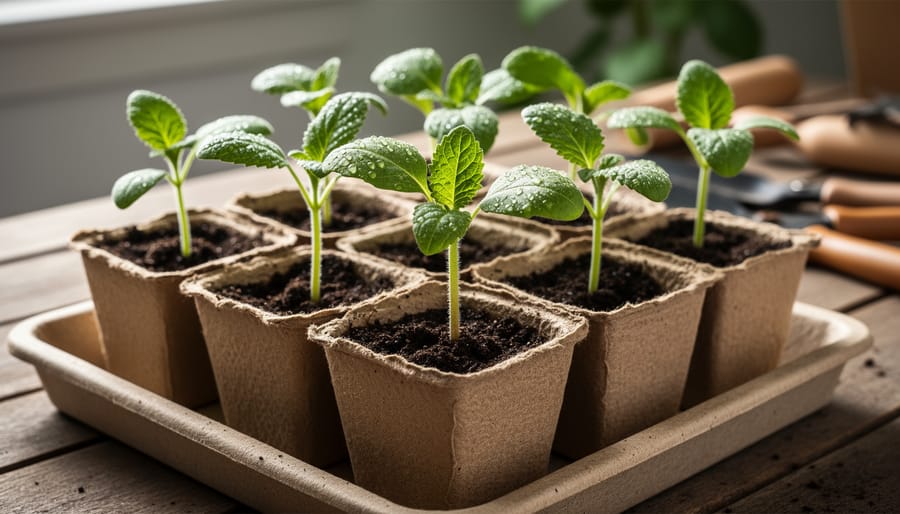
Newspaper and cardboard make excellent biodegradable planters that decompose directly in your garden soil after transplanting. To create newspaper pots, roll a double layer of newspaper around a small jar or can, fold the bottom edges inward to create a base, and secure with a bit of water. These hold together for six to eight weeks, perfect timing for Michigan’s last frost dates in mid-May. Cardboard tubes from paper towels work even better for deeper-rooted vegetables like tomatoes and peppers. Simply cut four evenly-spaced slits halfway up the tube, fold the flaps inward to form a bottom, and fill with potting mix. Both methods cost nothing and eliminate transplant shock since you plant the entire container. For more creative approaches, explore various seed starter ideas that use other household recyclables. Start saving newspapers in March to have plenty ready for April planting.
Plastic Bottle Self-Watering Planters
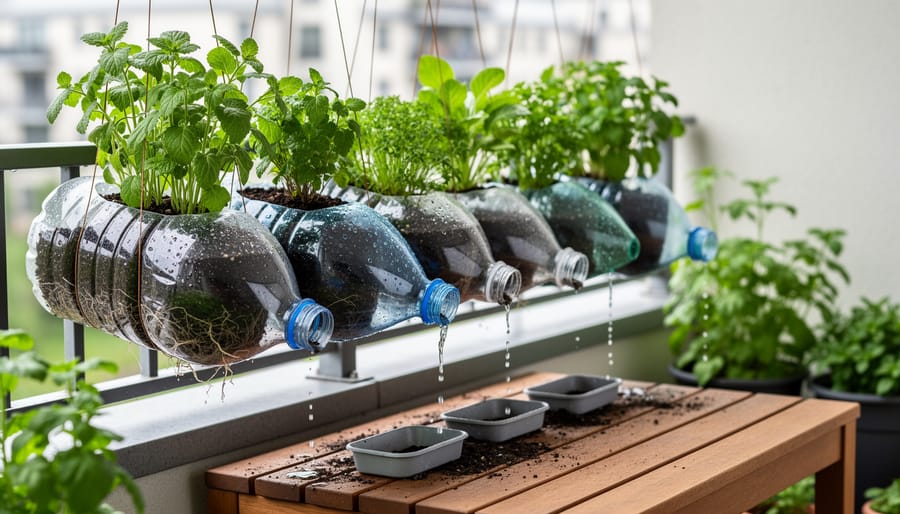
Cut a plastic bottle two-thirds up from the bottom, then flip the top portion upside down and nest it into the base like a funnel. The inverted cap (with a small hole poked through or loosened slightly) acts as a wick, drawing water from the reservoir below into the soil above. Fill the bottom section with water, add potting mix to the inverted top, and plant your herbs or cherry tomatoes.
This design keeps roots consistently moist without daily watering, perfect for basil, parsley, or lettuce that wilt quickly in Michigan’s summer heat. Clear bottles let you monitor water levels at a glance. Two-liter soda bottles work well for larger plants, while 20-ounce bottles suit compact herbs.
Use a heated nail or drill bit to pierce the cap for better control than scissors. Paint the reservoir section or wrap it with fabric to prevent algae growth in sunlight. These planters thrive on sunny windowsills or balconies where daily watering becomes impractical.
T-Shirt Shopping Bags and Produce Sacks
Old cotton t-shirts pile up in closets across Michigan, waiting for a second life. Converting them into shopping bags requires nothing more than scissors and five minutes of your time.
Start with a clean shirt laid flat. Cut off the sleeves along the seam lines, then cut a deep scoop around the neckline to create your bag handles. The deeper you cut, the longer your handles become, so adjust based on whether you want shoulder bags or hand-carried totes.
Flip the shirt inside out and cut horizontal fringe along the bottom hem, making strips about one inch wide and four inches deep. Tie each pair of front and back strips together with double knots. Turn the bag right-side out, and you’ve created a sturdy shopping bag that holds surprising weight.
For produce sacks, use thinner t-shirt material and make the fringe finer. These mesh-style bags let checkout clerks see contents while keeping loose vegetables contained. Three shirts typically yield two large shopping bags and three produce sacks, eliminating dozens of plastic bags annually.
Tin Can Lanterns and Outdoor Lighting
Tin can lanterns transform ordinary soup or vegetable cans into charming outdoor lights that add character to any Michigan garden or patio. Start by thoroughly cleaning a can and removing the label. Fill it completely with water and freeze it solid, the ice prevents denting when you punch holes. Use a permanent marker to draw your pattern directly on the can, then place it on a folded towel. A hammer and various-sized nails let you create anything from simple dots to elaborate designs. Stars, spirals, and geometric patterns work especially well.
Once you’ve punched your design, let the ice melt and dry the can completely. Spray paint adds a finished look, though bare metal develops an attractive patina over time. Place a tea light or battery-operated LED inside, and hang your lanterns with wire handles or set them on flat surfaces. Group several together for impact, or line a walkway to create inviting pathways through your outdoor spaces.
Intermediate Projects: Building Your Upcycling Confidence
Pallet Furniture and Garden Structures
Wooden pallets offer surprising versatility for outdoor projects once you understand their basic structure. Start by inspecting pallets carefully, avoid those marked “MB” (methyl bromide treated) and seek heat-treated (HT-stamped) options from garden centers, appliance stores, or Michigan farm supply outlets that often give them away free.
A simple bench requires just two pallets: one standing vertically as the back, another laid horizontally for seating. Sand rough edges thoroughly, secure with deck screws, and add cushions for comfort. For vertical gardens, mount a single pallet against a fence or wall, attach landscape fabric to the back, fill spaces between slats with potting soil, and plant herbs or flowers in the openings, this works beautifully in small Michigan yards with limited ground space.
More ambitious pallet furniture projects like coffee tables or raised garden beds require disassembling pallets with a pry bar and reciprocating saw, then rebuilding with the straightest boards. Apply exterior wood stain or sealant to extend longevity through Michigan’s freeze-thaw cycles. Most projects need basic tools: hammer, saw, drill, and safety glasses.
Tire Planters and Playground Equipment
Used tires represent one of recycling’s greatest challenges, making them perfect candidates for outdoor projects that capitalize on their inherent durability. A single tire can become a colorful raised planter by simply filling it with soil, or stack three tires for a dramatic vertical garden that drains naturally. Paint them with exterior latex paint (proper tire primer prevents peeling through Michigan’s freeze-thaw cycles) in bright colors that complement your landscape.
For playground equipment, halved tires bolted to posts create swings that last decades, while whole tires buried halfway create crawl-through tunnels kids love. Lay tires flat and fill with pea gravel for sandbox borders that won’t rot like wood.
Before starting, scrub tires thoroughly with soap and water to remove road grime and chemicals. Drill drainage holes in any horizontal surfaces to prevent mosquito breeding. Source clean tires from local mechanics or tire shops, most gladly give away takeoffs since disposal costs them money. Avoid steel-belted radials for cutting projects unless you have heavy-duty tools; older bias-ply tires work better for DIY modifications.
Window Frame Greenhouses and Cold Frames
Old windows headed for the landfill can become productive garden infrastructure that extends Michigan’s notoriously short growing season by weeks or even months. A basic cold frame requires just four salvaged windows (or a mix of windows and scrap lumber for sides), creating a miniature greenhouse that traps solar heat and protects seedlings from frost.
Start by building a sloped rectangular box from reclaimed wood, with the back wall roughly 18 inches tall and the front 12 inches. The slope faces south to maximize sun exposure. Attach your windows as hinged lids using old door hinges, allowing easy access for watering and venting on warm days. Seal gaps with weatherstripping to retain heat overnight.
For durability in Michigan winters, use exterior-grade screws and treat wood with non-toxic sealant. Replace cracked panes with salvaged glass from picture frames. These structures typically last 5-7 years with basic maintenance, letting you harvest lettuce in November or start tomatoes in March.
Denim Insulation and Textile Projects
Old jeans contain tightly woven cotton fibers that trap air remarkably well, making them legitimate insulation material for small spaces like pet houses, garage workshops, or attic access panels. Cut denim into uniform squares, layer them five to seven deep, and secure with stitching around the edges to create quilted panels. These work best in areas where you need R-5 to R-7 insulation values, not enough for exterior walls, but perfect for doghouses or shed doors.
For textile projects, denim’s durability shines in heavy-use items. The thick seams become reinforced handles when you turn jeans inside-out and stitch the legs into sturdy tote bags. Pocket sections salvaged intact create built-in organizers for tool rolls or car storage solutions. Michigan winters demand tough materials, and repurposed denim delivers without the environmental cost of buying new canvas or synthetic fabrics. Wash all denim thoroughly before cutting to remove oils and ensure it won’t shrink in your finished project.
Michigan Success Stories: Local DIY Recycling Champions
Across Michigan, everyday people are proving that DIY recycling projects create real impact beyond their own homes. These local champions show what’s possible when creativity meets environmental commitment.
The Detroit Pallet Project started when carpenter Maria Chen noticed construction sites discarding dozens of wooden pallets weekly. She began collecting them in 2024, transforming what would become landfill waste into furniture for neighbors who needed it. Within eighteen months, she’d built over 200 pieces, benches for community gardens, bookshelves for schools, raised beds for urban farms. Maria estimates she’s diverted roughly four tons of wood from waste streams while creating functional items valued at more than $15,000 if purchased new. Her biggest lesson? Start with one reliable source of materials rather than trying to collect everything everywhere.
Once I realized each pallet saved was 40 pounds of usable wood kept out of a landfill, the math made every scratched knuckle worth it.
The lesson resonated throughout her neighborhood, where three other residents now collect and build alongside her.
In Ann Arbor, the Textile Recovery Collective operates as a neighborhood exchange where families bring worn clothing for communal upcycling sessions. Founded by schoolteacher James Morrison and designer Lin Park in early 2025, the group meets monthly to cut denim into insulation batting, transform t-shirts into bags, and create quilts from fabric scraps. They’ve processed approximately 3,000 pounds of textiles that participants confirmed would otherwise have been discarded. Members report saving an average of $180 annually on items they now make instead of buy. The collective’s approach emphasizes skill-sharing over individual achievement, experienced sewers teach beginners, and everyone leaves with completed projects plus new techniques.
These stories aren’t exceptional. They represent what becomes possible when Michigan residents recognize potential in materials others discard, commit to learning basic skills, and share their knowledge generously.
Where to Find Materials: Sourcing for Your Projects
The best recycling projects don’t require trips to the craft store. Most materials you need are already circulating in your community, waiting to be claimed.
Start online with platforms where people give away items they no longer want. Facebook Marketplace’s “free” section and local Buy Nothing Project groups overflow with glass jars, plastic containers, old furniture, and building materials. Craigslist’s free category lists everything from broken electronics to excess moving boxes. In Michigan, Freecycle groups remain active in most cities, connecting people who have stuff with people who can use it.
Retail and manufacturing businesses discard remarkably useful materials. Call local frame shops for mat board scraps and cardboard tubes. Carpet stores throw out sample squares perfect for floor mats and coasters. Ask grocery stores about wooden pallets, typically free if you haul them away. Coffee shops accumulate burlap sacks and five-gallon buckets. Print shops discard paper offcuts in quantities that fuel years of crafting.
Community resources connect you with serious volume. ReStores operated by Habitat for Humanity sell salvaged building materials at fraction-of-retail prices. Library book sales often include damaged books you can harvest for craft paper. University surplus stores liquidate lab equipment, furniture, and office supplies at bargain rates. Many Michigan cities host annual spring cleanups where curbside piles yield treasure.
Time your sourcing strategically. Late August brings college move-outs and mountains of discarded dorm furnishings. Post-holidays in January, people purge decorations and packaging. Spring cleaning season fills curbs with outdoor furniture needing minor repairs.
You can find free materials through persistence and networking. Tell friends and neighbors about your projects. Once people know you’ll use their “trash,” they’ll save it for you rather than tossing it.
Common Mistakes and How to Avoid Them
Starting a DIY recycling project with enthusiasm is great, until you hit a wall that could’ve been avoided. Most beginners stumble over the same handful of mistakes, but understanding these pitfalls before you start saves time, materials, and frustration.
The biggest safety mistake is skipping proper cleaning and preparation. That charming glass jar still carries food residue that attracts pests, and those metal cans have sharp edges waiting to slice your hand. Rinse everything thoroughly with hot, soapy water, remove labels completely, and file down or cover any sharp edges with tape or sandpaper. If you’re working with materials that held chemicals, even household cleaners, consider them unsuitable for projects involving food or children.
Many beginners also choose materials poorly matched to their projects. Lightweight cardboard makes terrible outdoor planters because it disintegrates in Michigan’s rain. Thin plastics crack in our winters. Before committing to a material, ask yourself: where will this live, what stress will it face, and will this material actually hold up? Test durability by leaving a sample piece outside for a week.
Project scope miscalculation kills momentum fast. You find plans for an elaborate pallet deck, gather 20 pallets, then realize you need a circular saw, drill, outdoor sealant, and 15 hours you don’t have. Start absurdly small, one jar organizer, one t-shirt bag. Finish it completely before expanding. Completed small projects build skills and confidence; abandoned large projects just create more clutter.
The final mistake is ignoring Michigan’s weather. What works in California fails here. Untreated wood rots, unsealed metal rusts, and anything left outside needs proper weatherproofing. Factor in protection from the start rather than watching your finished project deteriorate after one season.
Making Your Projects Last: Durability and Weather Protection
Michigan’s dramatic temperature swings, from humid 90-degree summers to subzero winters, test every outdoor project. Without proper protection, that gorgeous pallet bench you built in May will split and warp by December. The good news? A few strategic treatments transform vulnerable recycled materials into weatherproof fixtures that last for years.
Start with wood. Reclaimed pallets and old lumber absorb moisture like sponges, leading to rot and insect damage. Sand surfaces smooth, then apply two coats of exterior polyurethane or marine-grade spar varnish. For a more natural approach, rub in boiled linseed oil every six months, it penetrates deep and lets wood breathe. Elevate wooden projects off ground contact using bricks or metal feet to prevent moisture wicking.
Metal recycling projects need rust prevention. After cleaning thoroughly with vinegar or a wire brush, apply rust-converting primer before painting with outdoor enamel. Tin can lanterns and metal planters benefit from a clear coat spray designed for automobiles, surprisingly affordable at hardware stores and incredibly durable.
Plastic and glass generally resist Michigan weather, but UV exposure makes plastics brittle. Position bottle planters where buildings or trees provide afternoon shade, or spray them with UV-protectant clear coat. For glass projects, use outdoor-rated adhesives and sealants, indoor versions fail when temperatures drop below freezing.
Fabric items need waterproofing treatments. Spray denim insulation panels or t-shirt bags with silicone-based fabric protector, reapplying annually. Store textile projects indoors during winter unless they’re specifically treated for outdoor use.
Inspect all projects twice yearly, spring and fall. Catching small issues early prevents complete failures and keeps your recycled creations functional through multiple Michigan seasons.
Connecting With the DIY Recycling Community
The most successful recyclers rarely work in isolation. Michigan offers a surprisingly robust network of spaces and communities where you can share techniques, find materials, and tackle ambitious projects with borrowed tools and collective expertise.
Local makerspaces provide the equipment many recycling projects demand. Organizations like i3 Detroit in Ferndale and All Hands Active in Ann Arbor offer woodworking tools, laser cutters, and sewing machines alongside experienced members who have solved the same challenges you are facing. Monthly membership costs less than buying specialized equipment for a single project, and the collaborative atmosphere generates ideas you would not have considered alone.
For material sourcing and swaps, check Facebook groups focused on freecycling and upcycling in your region. Metro Detroit Buy Nothing groups regularly feature lumber, fabric, and hardware from renovation projects. The Ann Arbor Reuse Center hosts monthly swap events where you can trade excess materials rather than letting them languish in storage.
Online communities bridge the gap between local meetups. The subreddit r/upcycling provides project troubleshooting, while Instagram hashtags like #MichiganMakers connect you with state residents documenting their builds. These digital spaces offer feedback on half-finished projects and alert you to local material sources.
Community colleges occasionally offer upcycling workshops through continuing education programs. Washtenaw Community College and Grand Rapids Community College have featured classes on furniture restoration and textile repurposing. The instructors often share supplier contacts and technique refinements you would not discover through online tutorials alone.
Every DIY recycling project you complete creates a ripple effect that extends far beyond your own home. When you transform a glass jar into storage or convert an old tire into a planter, you’re not just keeping waste out of Michigan’s landfills. You’re demonstrating to neighbors, friends, and family that sustainable living isn’t about perfection or sacrifice, it’s about creativity, resourcefulness, and finding value where others see trash.
The projects in this guide represent starting points, not limitations. Your first upcycled creation might be simple, but it builds confidence and shifts how you view the world around you. That broken chair suddenly has potential. Those wine bottles become opportunities. This mindset change is just as valuable as the physical items you create.
Michigan’s sustainability goals depend on individual actions multiplying across communities. Your single project joins thousands of others happening in homes, schools, and workshops throughout the state. Together, these efforts reduce demand for new materials, decrease energy consumption, and prove that environmental responsibility fits naturally into daily life.
Don’t wait for the perfect project or ideal conditions. Choose something from this list that excites you, gather the materials, and start today. Your trash has been waiting to become treasure.